

Cold snaps have a way of exposing weak spots in your plumbing when you least expect them. A pipe in a crawl space or garage can freeze, swell, and burst quickly. Frozen pipes do more than stop water flow, since they can turn into sudden leaks and expensive repairs. At Goode Plumbing, we help homeowners in the Chicago area spot pipes that are at risk and determine how to keep water moving when temperatures drop.
Warning Signs That Pipes Are Starting to Freeze
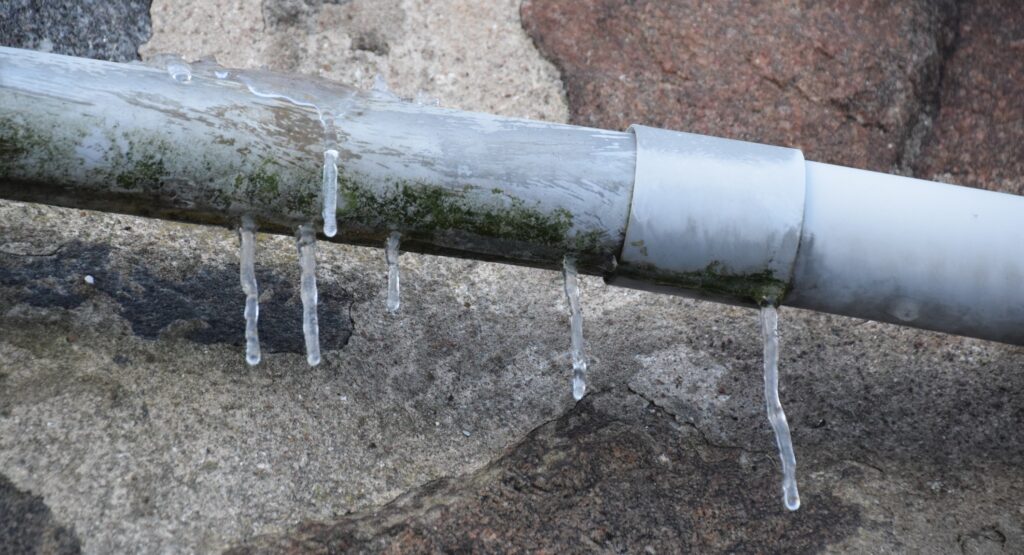
Frozen plumbing rarely happens without some sort of notice. You usually experience hints that water is starting to turn to ice inside a pipe. One of the first signs is a faucet that slows to a trickle or stops running when other fixtures in the home still work. You might notice that a toilet does not refill after a flush or that a specific bathroom sink has a lack of water pressure while other fixtures still have normal flow. In rooms or near exterior walls, you may see frost or a light layer of ice on exposed pipe runs. Some homeowners also notice odd smells from drains. Trapped air must push past a frozen blockage instead of venting the way it should. Any of these changes is a reason to act. When you catch freezing pipes early, you have a better chance of avoiding a full break and the flood that follows.
Why Frozen Pipes Are So Dangerous in Winter
Water expands when it turns to ice. Inside a closed pipe, that expansion has nowhere to go, and pressure builds. The ice often forms in the coldest section, yet the pipe can split in a different spot where the metal or plastic gives way. The damage may stay hidden in a wall or ceiling until the ice starts to melt and water begins to pour out. That sudden release can soak insulation, framing, flooring, and wiring in a short period of time.
It only takes one midwinter evening for a small freeze to become a major cleanup project. Chicago winters bring long, cold snaps and wide swings, which give pipes repeated stress cycles instead of just one cold night. Older homes with long runs of plumbing and past repairs are more likely to need help from a plumber when deep freezes hit.
Where Freezing Happens in a Typical Chicago Home
Certain spots in a home may experience the effects of the cold before others. Pipes that run through unheated basements, crawl spaces, or garages are exposed to cold temperatures and are more at risk of freezing. Lines inside exterior walls can also freeze when insulation is thin or missing, especially behind kitchen cabinets and bathroom vanities that sit against outside walls. Hose bibs and the pipes that feed them are another weak point, since they often run through short sections of wall with little protection.
Wind makes matters worse when drafts sneak through gaps around sill plates, doors, and windows and blow past unprotected plumbing. In multi-level buildings, stairwells and mechanical rooms that see little heat can create hidden cold pockets around pipe runs. If you have had trouble with one area in the past, treat it as an at-risk area each winter and watch how fixtures behave during cold nights.
Safe Steps to Take and When to Call a Professional
If you think a pipe has started to freeze but has not yet burst, take a few careful steps. Leave nearby faucets open so thawing water has somewhere to go and pressure doesn’t build up. Raise the thermostat to warm cold areas around exposed lines, and open cabinets on outside walls so that heated air can circulate around the pipes. Do not use torches, open flames, or high-output heaters on plumbing, since they can damage pipe walls and create a fire risk.
If water is already spraying, dripping from ceilings, or pooling on floors, treat that as a plumbing emergency. Shut off the main water valve, then call a plumber who offers emergency plumbing support. A licensed technician can handle frozen pipe repair, locate hidden breaks, and perform leak detection where water has moved into walls or floors. Goode Plumbing is here for you 24/7, so don’t hesitate to call us when you are dealing with an urgent plumbing problem. Our team can also help you plan long-term fixes so you are less likely to need another burst pipe repair after the next cold spell.
Keep Your Pipes Ready for Winter Weather
Frozen pipes do not have to be a yearly surprise. When you know how cold air moves through your home, which pipes are at risk, and which steps make a real difference, you can protect both your plumbing and your budget. Insulation, smart use of heat, and timely repairs all add up to fewer leaks when temperatures swing. We handle pipe insulation, leak repair, and winter plumbing checkups so your home is better prepared for the next cold front.
If you want a straightforward plan to protect your pipes this winter, schedule a plumbing visit with Goode Plumbing in the greater Chicago area today.