

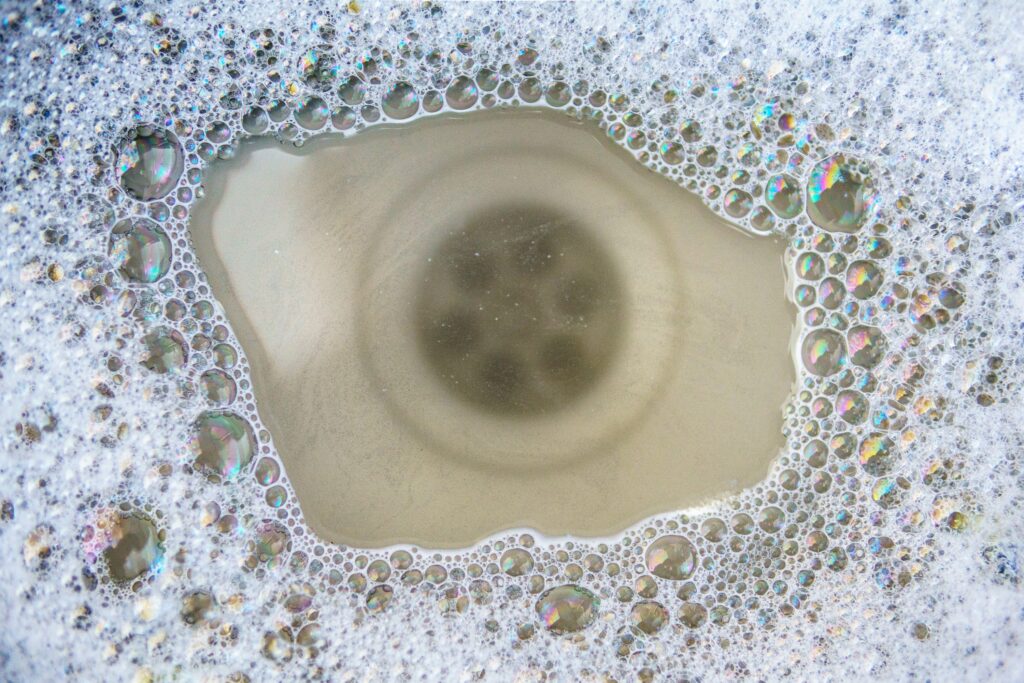
If your kitchen sink is draining slowly, your shower starts backing up, and your toilet begins flushing sluggishly, you might assume each fixture has its own clog. Many homeowners try to fix these problems one at a time. However, when multiple drains are slow at the same time, it usually points to a larger issue within your main sewer line.
Signs of a Main Sewer Line Problem
There are several signs of a main sewer line problem that every homeowner should recognize. By understanding these as early as possible, you can seek out professional assistance before the situation gets any worse. Realize that when you have a problem with your main line, it requires more than just a plunger or a drain snake.
One of the most common signs is having multiple slow drains in your house. When the problem is just with one drain, it typically signals a blockage at that site. However, if it affects multiple drains, it typically points to a main sewer line blockage. You may notice a persistent sewage odor coming from your drains or even outside in your yard where your main line runs.
You may experience frequent backups in your lower-level fixtures, like basement sinks or laundry drains. Your toilets and sinks may randomly emit a gurgling noise after use. This happens because air in the drainage system gets trapped and is forced back up through nearby fixtures.
Understanding Your Main Sewer Line
An important function of your plumbing system is to remove wastewater from your home. There are two main types of pipes that do this, which are drain pipes and the main sewer line. Drain pipes run from all of your fixtures to the main line. The main line is much larger and runs from the inside of your home to the municipal sewage system or your septic tank. Because your main line handles all the wastewater from your plumbing fixtures, it can affect all the fixtures throughout your home if there’s a blockage.
There are many different causes of main sewer line problems that you may experience. One of the most common is tree root intrusion. Tree roots naturally seek out sewer lines. Over time, as the roots feed on the sewage, they get larger and expand the cracks in your line. Eventually, there will be so many roots inside your main sewer line that they can block the wastewater flow through the pipe.
Another potential cause of a main sewer line blockage is grease and other debris building up inside the line. If you’re pouring grease, fats, or oils down your kitchen sink drain, they can eventually clog up inside your line as they cool off and solidify. This buildup will grab onto non-flushable items and grow in size. Eventually, the clog gets so big that it obstructs the flow of wastewater through your line.
Another potential cause is soil shifting. Anytime there’s ground movement near your pipes, it could cause them to break or misalign. This can happen over time due to natural ground shifting or if there’s construction nearby. Homes with older pipes are more prone to deterioration. Materials like cast iron and clay are known to deteriorate over time. This leads to cracks, corrosion, and joint separation.
Why Is Calling a Professional Plumber Important?
If you suspect that you have a blockage in your main sewer line, it’s important to contact a plumbing professional soon rather than later. Never ignore the signs of a mainline blockage, as it can lead to significant damage and costly repairs. If you have a clog in your main sewer line, eventually the wastewater is going to back up until it reaches the fixtures in your home. It can flood your lower-level fixtures like your basement toilets, sinks, and drains.
This is not only highly undesirable but can create health hazards and extensive property damage. Broken sewer lines can undermine the soil underneath your home’s foundation, leading to costly structural damage. Failing to seek out assistance when you have a small blockage could eventually allow your pipe to collapse in on itself.
Expert Hydro Jetting Service
Goode Plumbing provides expert hydro jetting services in the great Chicago area. We can also assist with all your sewer repair, replacement, installation, and inspection needs.
Contact our office today and schedule an appointment with one of our plumbing professionals.