

You head downstairs after a heavy Chicago thunderstorm and find water spreading across the basement floor. Maybe it’s coming up through the floor drain, or perhaps the sump pit is overflowing because the power went out. Both situations leave you with a flooded basement, but they require very different plumbing solutions.
For homeowners in older Chicago bungalows, two-flats, and modern homes, understanding the difference between an overhead sewer and a battery backup sump pump can prevent an expensive mistake. Goode Plumbing helps identify where basement water is coming from and recommends flood protection based on your home’s plumbing.
Quick Answer: Overhead Sewer vs. Battery Backup Sump Pump
An overhead sewer system helps prevent municipal sewer backups from entering basement plumbing by routing wastewater through elevated drain lines. A battery backup sump pump removes groundwater collected in a sump basin when the primary pump loses power, fails, or cannot keep up with incoming water.
The primary difference is the water source. Overhead sewer conversions protect against sewage backing up through low-level plumbing connections. Battery backup sump pumps protect against groundwater flooding caused by a loss of pumping capacity. Some Chicago homes need both systems.
Overhead Sewer vs. Battery Backup Sump Pump: Cost and Protection Comparison
Review this comparison of features, protections, and estimated Chicago-area costs:
| Feature | Overhead Sewer | Battery Backup Sump Pump |
|---|---|---|
| Water source | Sanitary or combined sewer wastewater | Groundwater collected by drainage systems |
| How it works | Elevates drainage and pumps basement wastewater through an ejector | Secondary pump removes water during primary pump or power failure |
| Primary protection | Sewer backups through basement fixtures | Sump basin overflow |
| Estimated installed cost | $8,000-$30,000+ | $1,000-$2,900 for backup installation |
| Potential failure points | Ejector pump, controls, discharge components, or incomplete drainage separation | Battery, pump, float switch, or discharge line |
| Best application | Repeated sewage backups through lower-level fixtures | Groundwater flooding during outages or pump failures |
These are approximate Chicago-area budgeting ranges, not Goode Plumbing prices. Actual costs depend on your basement layout, existing plumbing, equipment, and installation requirements.
Why Chicago’s Sewer System Makes Basement Flooding Complicated?
Chicago has approximately 4,400 miles of sewer mains, including combined sewers that carry stormwater and sanitary wastewater through the same pipes. During intense rainfall, neighborhood sewer lines can fill faster than water can move through the system. That pressure can force wastewater toward lower plumbing connections inside homes.
This matters in established neighborhoods such as Irving Park, Portage Park, Jefferson Park, and Logan Square, where older bungalows and two-flats may retain gravity-fed basement drains. However, an older home doesn’t automatically need an overhead sewer. The drainage configuration and actual cause of previous flooding determine which improvements make sense.
A clogged private sewer lateral can also cause backups, even without a major storm. Before choosing municipal sewer backup prevention equipment, it’s important to distinguish an overloaded neighborhood sewer from a blockage on your property.
How to Identify What’s Flooding Your Chicago Basement?
The most useful clue is where the water first appears. Instead of assuming every flooded basement needs another sump pump, look at the specific symptoms.
Sewage Comes Up Through a Floor Drain
Water rising through a basement floor drain, toilet, or shower during heavy rain suggests a sewer backup. Gurgling drains, wastewater odors, and simultaneous backups in several fixtures strengthen that possibility.
An overhead sewer conversion or properly designed backwater protection may help prevent sewer surcharge from entering your basement. However, if roots, grease, or a collapsed lateral are blocking the line, those problems need separate repairs.
Your Sump Pit Overflows
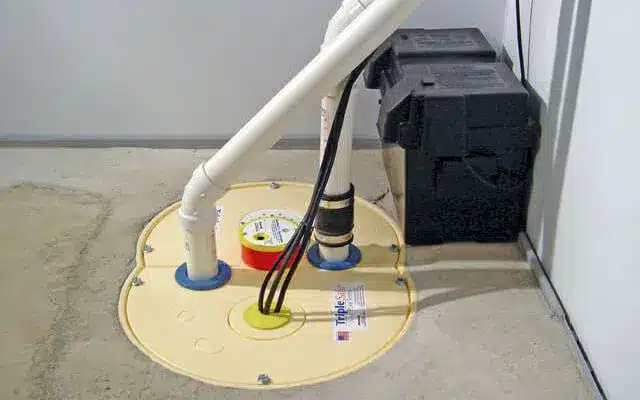
If groundwater is collecting in the sump basin faster than the pump can remove it, investigate the pump and discharge system. A tripped breaker, failed float switch, power outage, or undersized pump may be responsible.
This is where a battery backup sump pump becomes especially valuable. It provides secondary pumping capacity when the primary system isn’t available or cannot handle the incoming water.
Water Appears Along Basement Walls
Water seeping through foundation cracks, wall joints, or the connection between the floor and wall suggests a different drainage issue. Poor grading, overloaded drain tile, or groundwater pressure may contribute.
Neither an overhead sewer conversion nor a battery backup sump pump automatically fixes these conditions. The drainage system must first collect the incoming water and direct it somewhere appropriate.
How an Overhead Sewer Conversion Stops Sewage Backups?
In a traditional gravity system, basement fixtures may drain through pipes located below the level municipal wastewater can reach during a sewer surcharge. When pressure builds in the public sewer, wastewater can travel backward through those connections.
An overhead sewer conversion changes that arrangement. Basement wastewater enters a sealed ejector basin, where a pump lifts it into elevated drainage piping. The properly configured overhead system helps prevent sewer water from returning through the vulnerable basement connections.
For a finished bungalow basement in Portage Park or a two-flat with lower-level plumbing in Logan Square, this can provide meaningful protection against repeated sewage backups.
The conversion may require new drain lines, concrete removal, an ejector basin, electrical connections, and changes to existing plumbing. The ejector equipment still needs maintenance, and sewage drainage may be interrupted during a power failure.
Goode Plumbing offers overhead sewer conversion and installation to help homeowners reduce their exposure to sewer backups.
Is a Battery Backup Sump Pump Necessary for Your Chicago Home?
If your basement relies on an electric sump pump to remove groundwater, installing a battery backup is worth serious consideration. Chicago thunderstorms can cause power interruptions at the same time your drain tile system is collecting large amounts of water.
A backup pump operates independently of the primary pump’s household electrical supply, using stored battery power when needed. It can also provide secondary capacity if the primary pump fails, depending on the equipment.
A battery backup is particularly useful when:
- Your primary sump pump operates frequently during storms.
- Your basement has flooded during a power outage.
- You use your lower level for living space or storage.
- Your existing pump is aging or has experienced mechanical failures.
Battery backups aren’t unlimited. Runtime depends on battery capacity, pump performance, and how frequently the system cycles. The battery, float switches, and discharge piping should be tested regularly.
Goode Plumbing provides sump pump installation, repair, and battery backup systems for Chicago homeowners who depend on reliable groundwater drainage.
How Much Does an Overhead Sewer Conversion Cost in Chicago?
An overhead sewer conversion is generally the larger investment because it involves changing how wastewater moves through the building. Chicago-area budgeting estimates commonly fall between $8,000 and $30,000 or more, while adding a battery backup sump pump to an existing suitable system may cost approximately $1,000 to $2,900.
Your actual project cost depends on several factors:
- Existing drainage layout: Older or complicated sewer connections may require extensive modifications.
- Basement fixtures: Bathrooms, laundry equipment, and additional drains affect the scope of an overhead conversion.
- Excavation and restoration: Concrete removal, piping access, and finished basement repairs can increase costs.
- Pump and electrical requirements: Equipment capacity, battery selection, and discharge arrangements affect installation pricing.
Installing a backup sump pump is usually less expensive, but it won’t correct a sewer backup. Likewise, an overhead sewer conversion won’t remove groundwater entering through foundation walls.
For homes facing both problems, combining properly separated systems may provide broader protection. A professional inspection can identify which upgrades are necessary before you commit to the expense.
Chicago Basement Flood Protection FAQs
Is an Overhead Sewer Better Than a Backwater Valve?
An overhead sewer changes the drainage configuration to protect vulnerable basement connections. A backwater valve closes against reverse sewer flow but requires maintenance and may temporarily prevent normal drainage while closed. The better choice depends on your plumbing layout, backup history, and budget.
Will a Battery Backup Sump Pump Prevent Municipal Sewer Backups?
No. A groundwater sump pump cannot stop municipal wastewater from entering basement floor drains or toilets. Sewer backup protection requires a solution designed for the wastewater system.
Can Chicago Homeowners Install Both Systems?
Yes. Some homes need an overhead sewer for sewage backup protection and a separate sump pump with battery backup for groundwater management. Proper design keeps the systems appropriately separated and directs water to approved discharge locations.
Protect Your Chicago Basement With Goode Plumbing
When water enters your basement, the most important question isn’t which pump is stronger or which system costs less. It’s where the water is coming from. A sump pump upgrade won’t solve a sewer backup, and an overhead sewer conversion won’t correct groundwater entering through foundation walls.
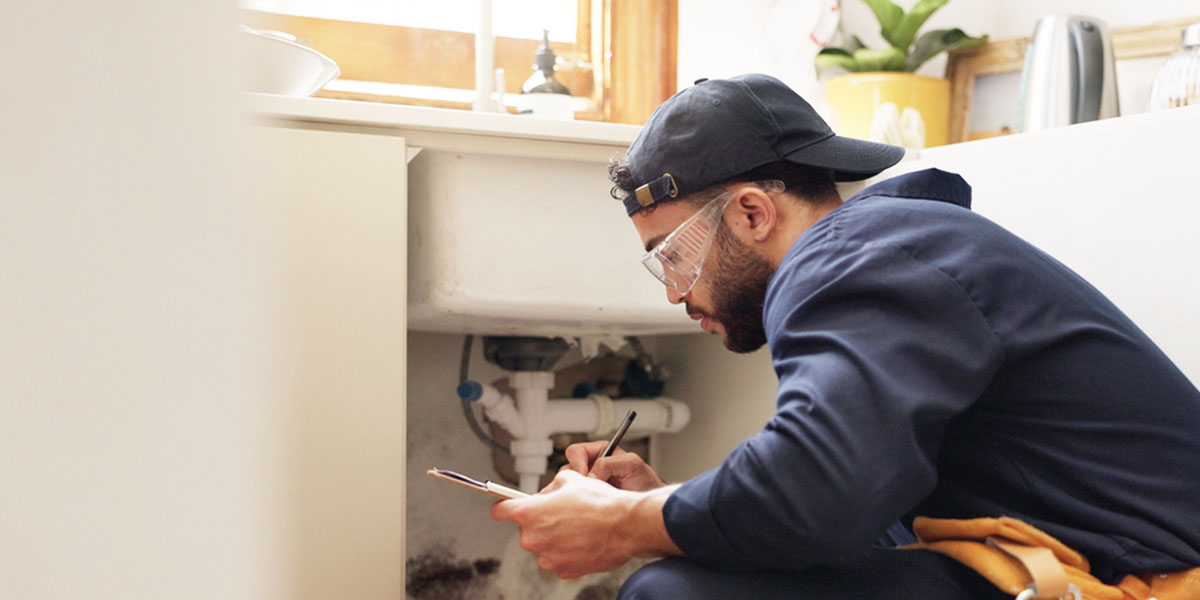
Goode Plumbing helps Chicago homeowners diagnose recurring basement flooding and select the right protection. Our licensed plumbers provide sewer inspections, overhead sewer conversions, sump pump services, and flood control solutions. We also offer 24/7 emergency plumbing support and a lifetime warranty against defects in our workmanship.
If you’ve experienced a flooded basement or want to prepare before the next major storm, call (773) 280-7921 or contact Goode Plumbing online to schedule an inspection.